October 15, 2026 issue
Wanda Díaz-Merced and the freedom to explore scientific evidence
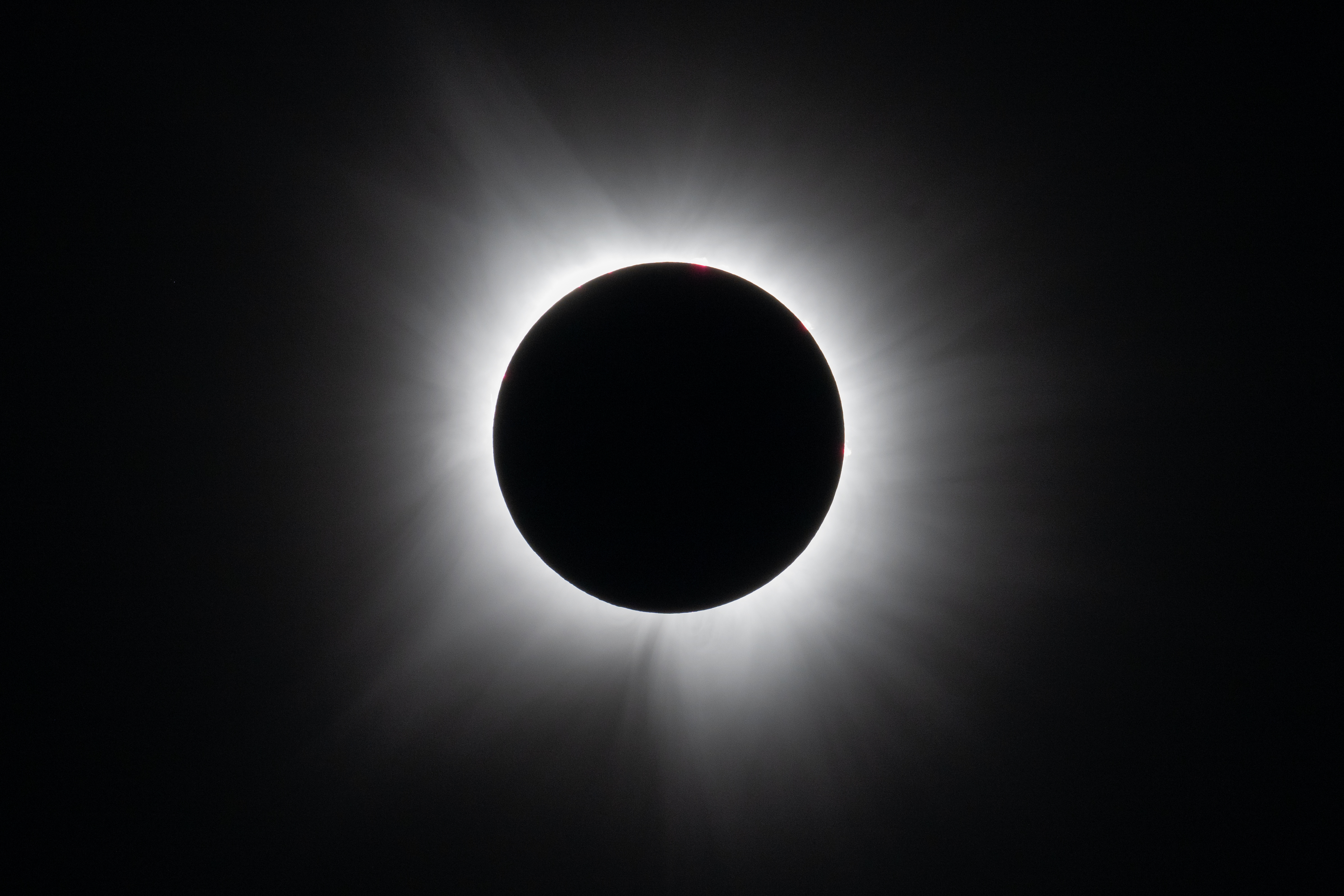
On April 8, 2024, astronomer Wanda Díaz-Merced, who is blind, listened as an eclipse was rendered in sound. In an NPR interview two days later, she described ticking that slowed almost to silence, then quickened again. NPR reported her listening from Puerto Rico through LightSound, a device she helped develop. Her account gives us an experience described by the person having it, without requiring us to imagine what she saw.
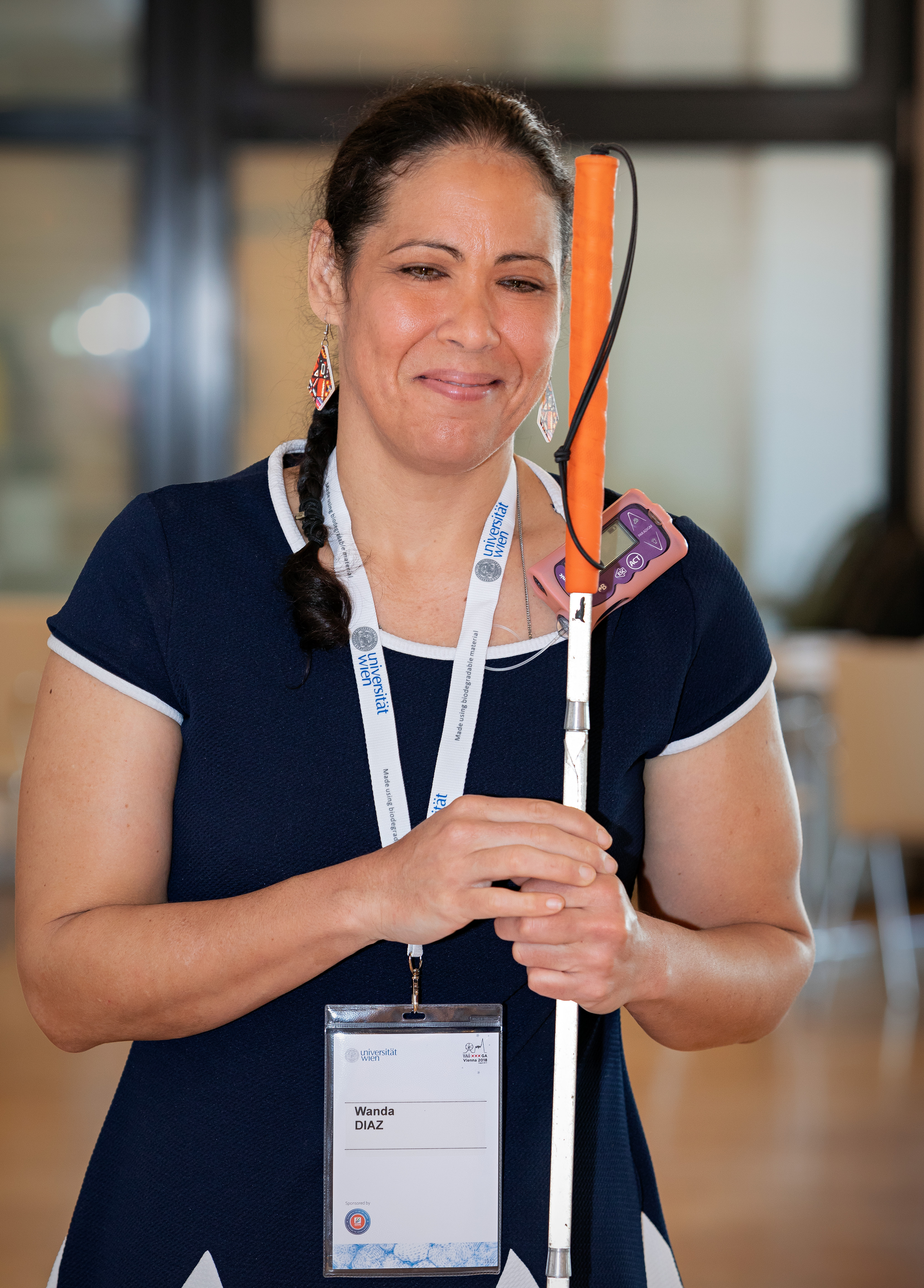
LightSound maps measurements of light intensity to audible tones. A sensor detects changing brightness; the device changes its output as sunlight dims. The sound is a representation made from data, shaped by a designed translation. Someone has to decide how a measurement becomes something a listener can distinguish.
Díaz-Merced’s work invites a further question: how much freedom does a scientist have to decide what to investigate?
In a Royal Society interview, she recalled working with NASA mentor Robert Candey on technology that converted astronomical data into sound. She emphasized being able to analyze her first dataset using her own way of exploring it. In her account, that opportunity helped her recognize a place for herself as a scientist.
I keep returning to the choice inside that recollection. A researcher needs room to follow a detail, reconsider an assumption and ask a question the person who prepared the material did not anticipate. An accessible presentation can invite someone into a subject. An accessible working tool can also give them decisions to make within it.
Her explanation of the method keeps the scientific work in view. In a 2023 CNRS interview, Díaz-Merced described sonification as a way to identify signals for closer investigation, while stressing the need for meticulous mathematical analysis. Listening can open an avenue into a problem. The interpretation still has to withstand scrutiny.
The practical details complicate any easy celebration of a new tool. Díaz-Merced coauthored a study of sonoUno, software for exploring scientific data through sound. In Southampton in April 2019, nine participants with and without visual impairments tried a prototype. Their feedback included difficulty coordinating the software with screen readers, uncertainty about selected data and a need for instruction. Participants also valued being able to explore and choose.
That small qualitative study describes an early prototype. It cannot establish a universal improvement in scientific performance, and it is no verdict on today’s software. It does show why making information audible and making a task workable require attention to different details.
For an institution paying for accessible technology, I would ask the prospective user to choose a real task for the demonstration. Can they locate the relevant data, select a portion, replay it and check what they selected? What help do they want, and which interruptions does the design impose? The demonstration should leave room for an unexpected question.
That approach also changes the budget discussion. I would want training and compatibility work included in the proposed scope, with responsibility for resolving problems made explicit. A successful demonstration is a beginning; the next test is what the person can do when the demonstration ends.
Díaz-Merced has described wanting the scientists who follow her to encounter fewer barriers. Her own account offers a precise ambition to carry forward: room to explore the evidence in a way she chooses, and to decide what question comes next.

Sources
Sources checked October 22, 2026.
- Kathryn Fink and Justine Kenin, NPR: Astronomer Wanda Diaz-Merced didn’t watch the eclipse. She listened , April 10, 2024; original interview transcript.
- Harvard Astronomy Lab: The LightSound Project , undated project documentation; What is the LightSound?
- Royal Society: Wanda Díaz-Merced , undated interview; The sound of space and On a mission.
- Mathieu Grousson, CNRS News: Wanda Diaz-Merced, the astronomer who listens to the stars , July 21, 2023.
- Johanna Casado, Beatriz García, Poshak Gandhi and Wanda Díaz-Merced: A New Approach to Sonification of Astrophysical Data: The User Centred Design of SonoUno , sections 4.1–4.4; study conducted April 2019, arXiv deposit January 31, 2023.